Clinical Governance & Safeguards
Royal Rehab Group’s commitment to providing safe and high-quality care, along with a focus on continuous improvement, is backed by the Quality, Safeguards and Clinical Governance Framework.
The framework provides the principles that guide Royal Rehab Group’s approach to safety and quality across various settings, including our healthcare, allied health and disability services, ensuring that quality and safety are consistently prioritised in all our actions throughout the organisation.
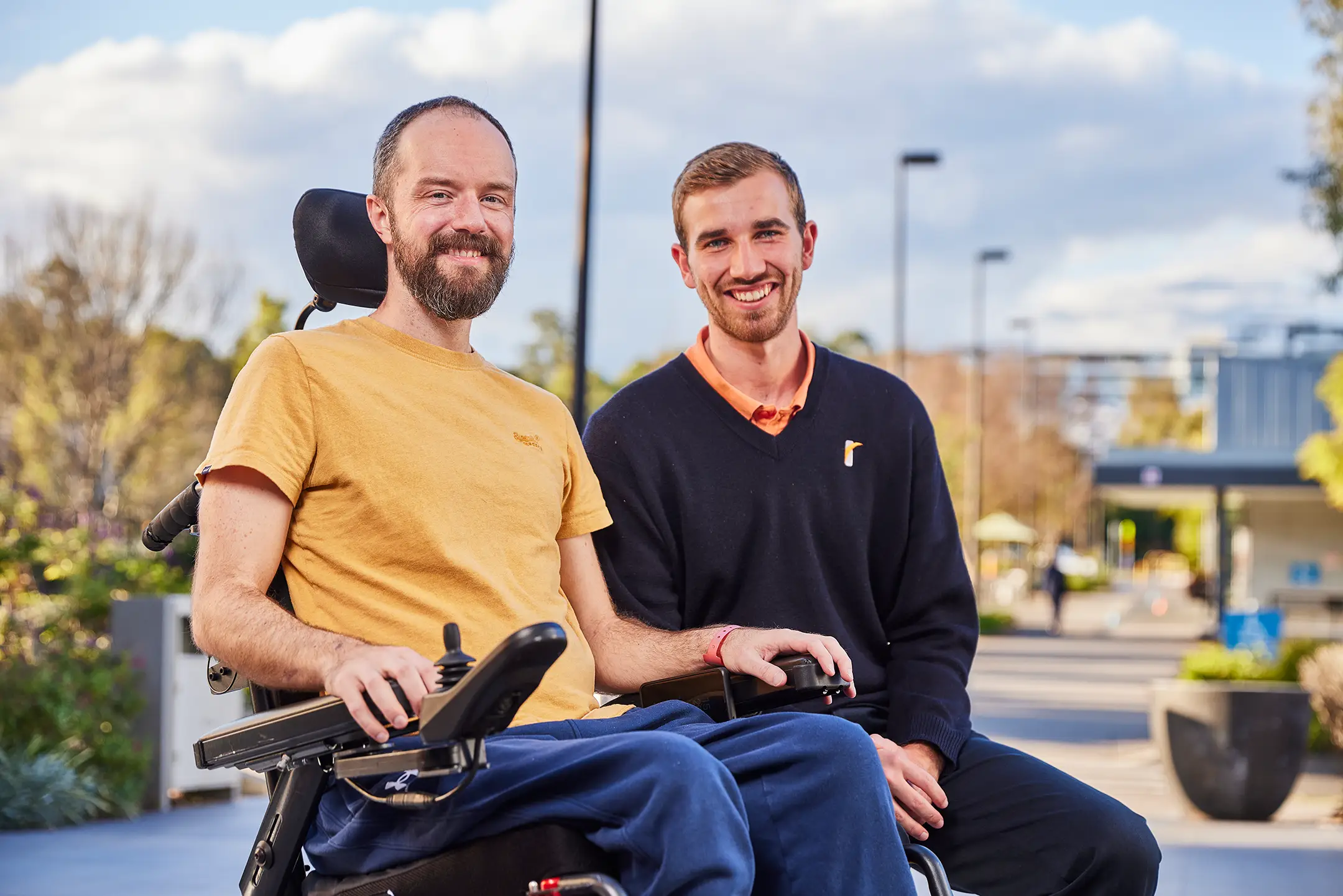
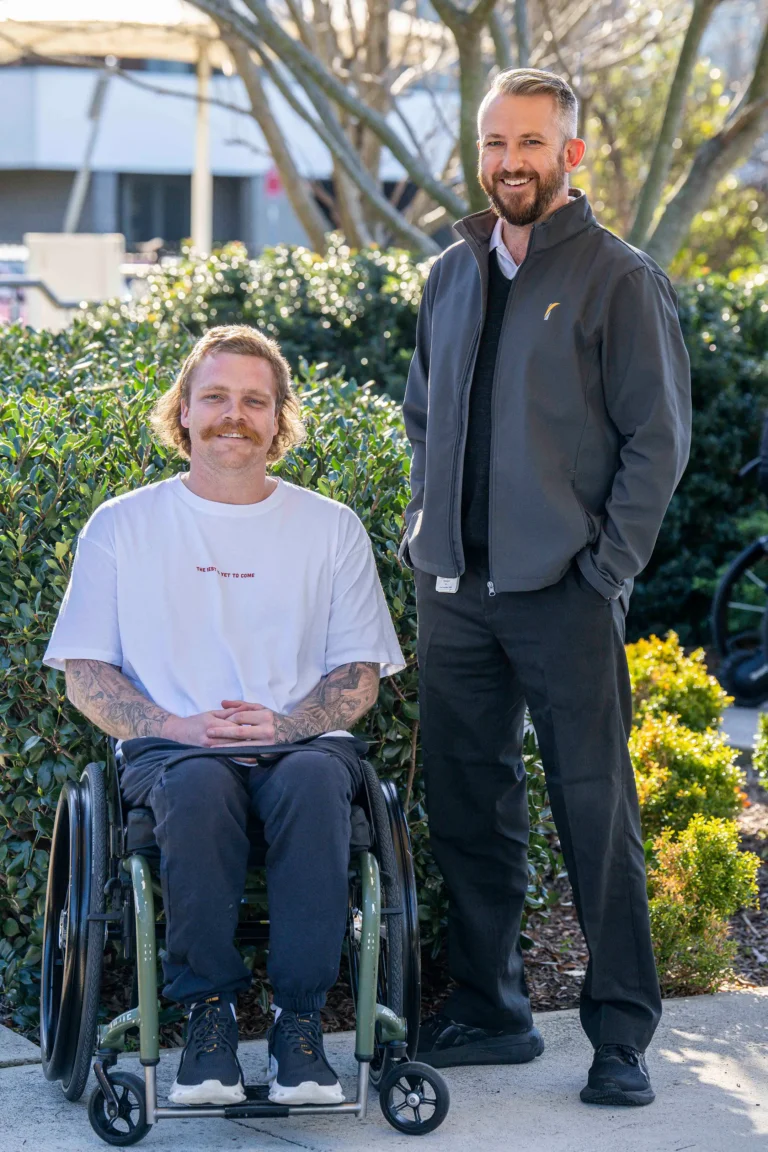
Our Managers and Executive play a crucial role in establishing a culture of accountability and driving the implementation of clinical governance initiatives across Royal Rehab Group. All staff are supported to prioritise client safety, quality improvement and staff development, while fostering open communication, trust, and collaboration.
By promoting a culture of accountability and embracing clinical governance principles, Royal Rehab Group achieves better client outcomes, enhances client experience, and strengthens performance.
By promoting a culture of accountability and embracing clinical governance principles, Royal Rehab Group achieves better client outcomes, enhances client experience, and strengthens performance.
Royal Rehab ensures that clinical governance is managed throughout the organisation as a system of accountability and encompasses various principles, all of which are crucial for maintaining and improving safe, high-quality care whilst enhancing the client experience throughout their journey of advocacy and care.
- Accountable leadership
- Organisational safety culture
- External accreditation
- Quality and safety rounding
- Reporting for safety
- Strategic and business planning
- Committee structure and governance
- By-laws and frameworks
- Comprehensive care
- Integrated screening and assessment
- Feedback and complaint management
- Open disclosure
- Outcome and experience measures
- Consumer advisory
- Dignity of risk and duty of care
- Human rights
- Improvement science
- Credentialling and scope of practice
- Training and education
- Reward and recognition
- Workforce capability
- Recruitment, retention and selection processes
- Professional development
- Organisational emphasis on learning
- Incident management and investigations
- Sharing lessons learnt
- Quality improvement
- Thematic analysis
- Harm reduction and safety improvements
- Clinical indicators and performance measures
- Data for improvement
- Policy development
- Enterprise risk management
- Clinical and corporate risk escalation
- Internal audits
- Regulatory and legislative compliance
- Risk management cycle
- Risk reduction and loss prevention
- Risk register
- Risk appetite
Partnering with our customers and patients
We encourage our customers/clients and patients to partner with us throughout their involvement with our services as we believe this helps us deliver better services and achieve better healthcare outcomes. Clients are involved in the design of their treatment and care, and they work closely with staff to develop the outcomes they want from our services.
Consumer representatives are also involved in the development and evaluation of services and their delivery; and review operational and strategic performance, from a consumer perspective through our Consumer Advisory Groups.
Our staff support a person-centred approach, where the client is active in, and central to, all choices about their life in both day-to-day activities and long-term plans and goals. Royal Rehab aims to ensure that all clients have meaningful opportunities to participate in decisions that affect their care provision and receive services that are responsive to their unique needs and preferences.
Accreditation
The implementation of a shared understanding of quality, safeguards and clinical governance across the organisation, is supported by relevant industry standards, guidelines and professional advice.
Royal Rehab Group is assessed against and remains compliant with a number regulatory National and State Standards, as outlined below:
- National Safety and Quality Health Service Standards (NSQHSS)
- National Standards for Disability Services (NSDS)
- National Disability Insurance Scheme (NDIS) Practice Standard
- Australian Skills Quality Authority (ASQA) Standards for Registered Training Organisations (RTO)
- Right Fit for Risk (RFFR) – ISO27001/ISM Assessment
- Australian Community Industry Standards
Risk management
Risk mitigation and management is crucial for ensuring client safety, maintaining regulatory compliance and optimising resource utilisation. This involves identifying potential hazards, evaluating their likelihood and severity, and implementing appropriate measures to minimise risks.
Royal Rehab Group supports a structured approach to assessing and managing risks, draws on evidence-based methods and is supported by robust risk management systems and escalation processes.
Open communication channels among employees, clients, and stakeholders encourage transparency in reporting and managing risks, adverse events, and quality improvement efforts.
Staff are assisted to identify emerging material risks, mitigation strategies and controls to reduce the likelihood or consequence of the identified risks affecting day-to-day activities.
Safety and quality improvement systems
We believe it’s critical for safety and quality improvement to be integrated into governance processes so we can actively manage and improve the safety and quality of care across our operations.
A good safety culture is underpinned not only by the reporting of incidents but also the analysis and management of subsequent actions following incidents, as this helps drive continuous improvement. Incident reporting can improve safety, highlight areas of risk, and improve processes and practice.
At Royal Rehab Group staff are encouraged to report all incidents including near misses and minor incidents as this information is critical in identifying systemic issues. Incidents are comprehensively managed to prevent recurrences by taking action, sharing lessons learned and transforming these findings into proactive clinical governance improvement mechanisms.
Rights and responsibilities
The Australian Charter of Healthcare Rights and the NDIS Commission’s Practice Standards outline the rights as well as what to expect when receiving healthcare with the ultimate goal of improving the quality of care. The Charter’s guiding principles include:
- Access to services and treatment
- Safety
- Respect
- Partnership
- Information
- Privacy
- Feedback
Privacy
Royal Rehab handles personal information in compliance with all relevant privacy laws, principally being the Privacy Act 1988 (Cth). It also manages personal information in compliance with the relevant State and Territory based health records and privacy laws.
Legislation prescribes:
- What information we can collect and how we collect it.
- How we store and protect information.
- How you can find out what information we hold and correct it if it is wrong.
- How we can use and disclose your information including special protection for health and other sensitive information.
- How you can complain about breaches of your privacy.
In accordance with applicable privacy legislation, Royal Rehab:
- Ensure personal health information is collected, stored, and used in accordance with the relevant legislation.
- Ensure privacy of patient information is protected.
- Take appropriate steps to protect personal information held by us, against misuse, interference, loss, unauthorised access, modification, or disclosure.
Wherever possible, Royal Rehab collects information from our patients and clients (prospective and actual). If this is not possible, we may collect information from another person who has legal responsibility for our patient or client. At times, we may collect information from a third party, such as another service provider. This only occurs where there is prior agreement, or where this is the only possible way to collect information to provide a service to the patient or client.
Complaints and suggestions
We welcome all forms of feedback and will make every effort to address patient/customer/client concerns and find a satisfactory outcome. Our priority is to be continuously improving our services.
We treat all feedback and any complaints professionally and confidentially.
In the first instance if you have feedback or a complaint, we encourage you to speak with the Local Manager or General Manager, of the specific service to which your experience relates.
Should your matter not be resolved to your satisfaction, please use the contacts below for further help. Every effort will always be made to address your concerns and find a satisfactory outcome.
For formal compliments, feedback and suggestions, you can fill in the following online form which will be automatically forwarded to the appropriate service.
In the event your complaint remains unresolved, you may also contact the relevant external body for further assistance:
- For complaints about NDIS services: Homepage | NDIS Quality and Safeguards Commission
- For complaints about hospital services: Health Care Complaints Commission - NSW Health Care Complaints Commission
- For complaints regarding Inclusive Employment Australia (IEA) services: Complaints about Inclusive Employment Australia providers | Department of Social Services