Royal Rehab Group

About us

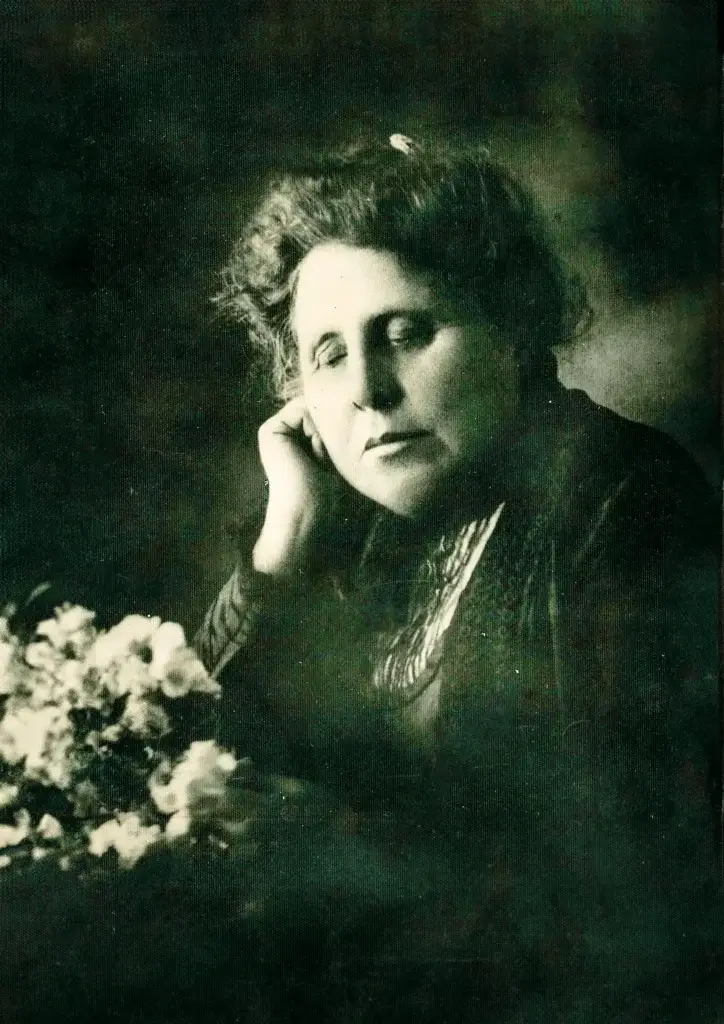
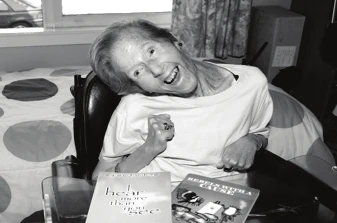
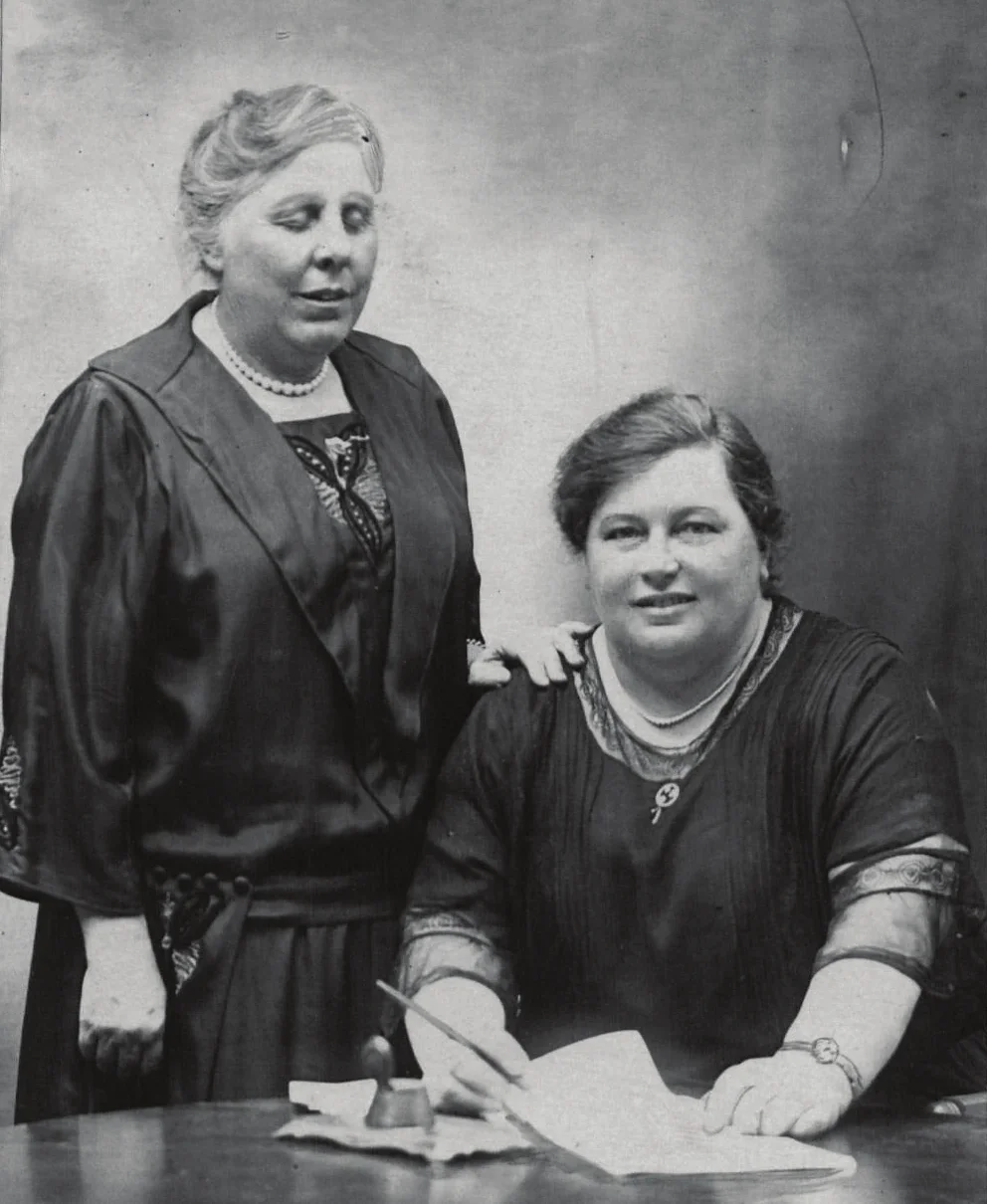
Royal Rehab Group’s story began in 1899 with our founder, Susan Schardt, a remarkable and determined woman who was born sight impaired but saw possibility where others saw limits.

More than 125 years later, Royal Rehab Group has grown into a leading provider of healthcare and disability services across Australia.

While our services have evolved, our purpose remains the same. We continue to build on Susan’s vision by delivering person-centred care and supporting people to live with greater independence, dignity and possibility.

Our story

More than 125 years of possibility

Royal Rehab Group’s story began in 1899 with our founder, Susan Schardt. Scroll to follow the milestones that shaped who we are.

1899
The story begins
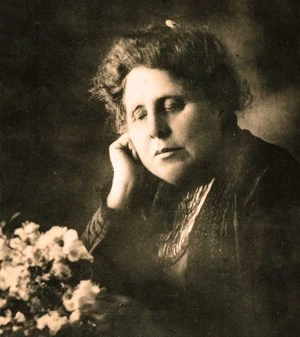
The story of Royal Rehab began with Susan Schardt, a remarkable woman with enormous compassion and pioneering spirit who reached out to people with disabilities who were otherwise shunned by society.
1900
A home opens in Redfern
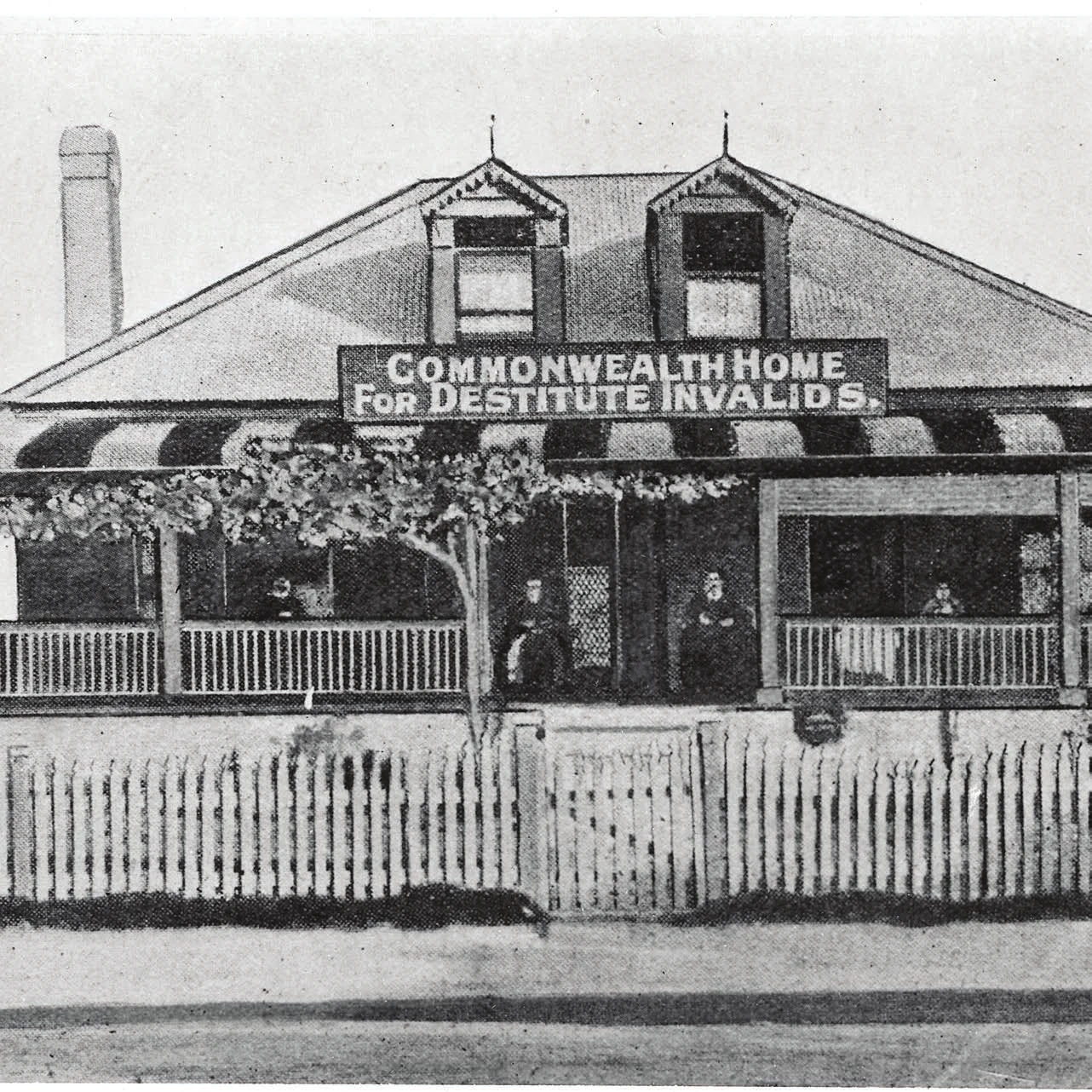
From humble beginnings, Susan formed a committee and on 29 October opened the Commonwealth Home for Destitute Invalids in Redfern.
1901
Our first patron
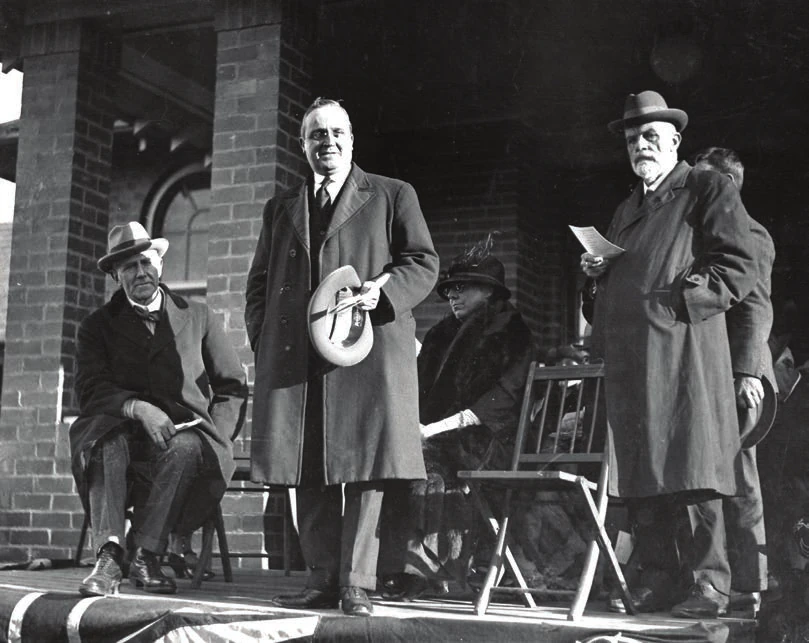
Governor of New South Wales, Sir Henry Rawson took a personal interest in Susan's work and became the first patron. He promised to do all he could to help as long as he lived.
1905
A new name and an uncertain future
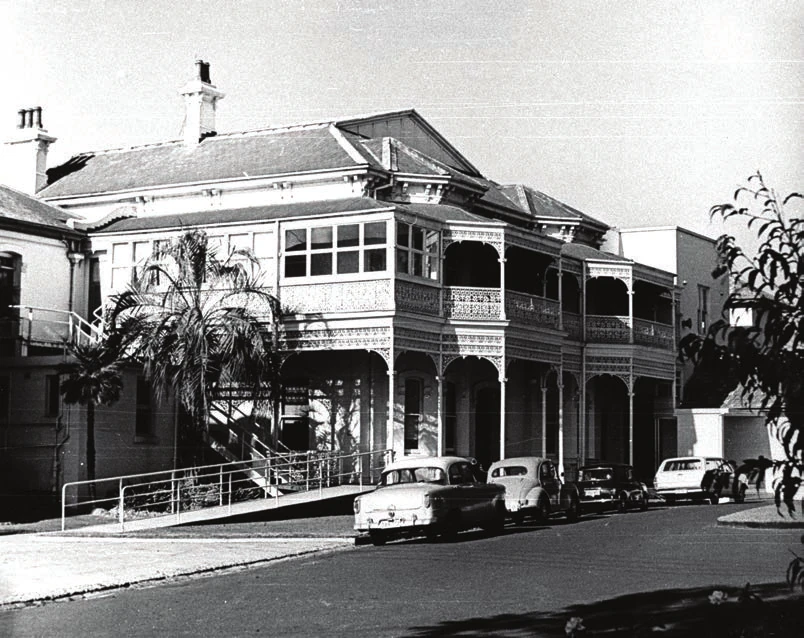
The cottage name was changed to the New South Wales Home for Incurables. However, it was soon declared structurally unsound and plans were made for demolition.
1907
Weemala opens its doors
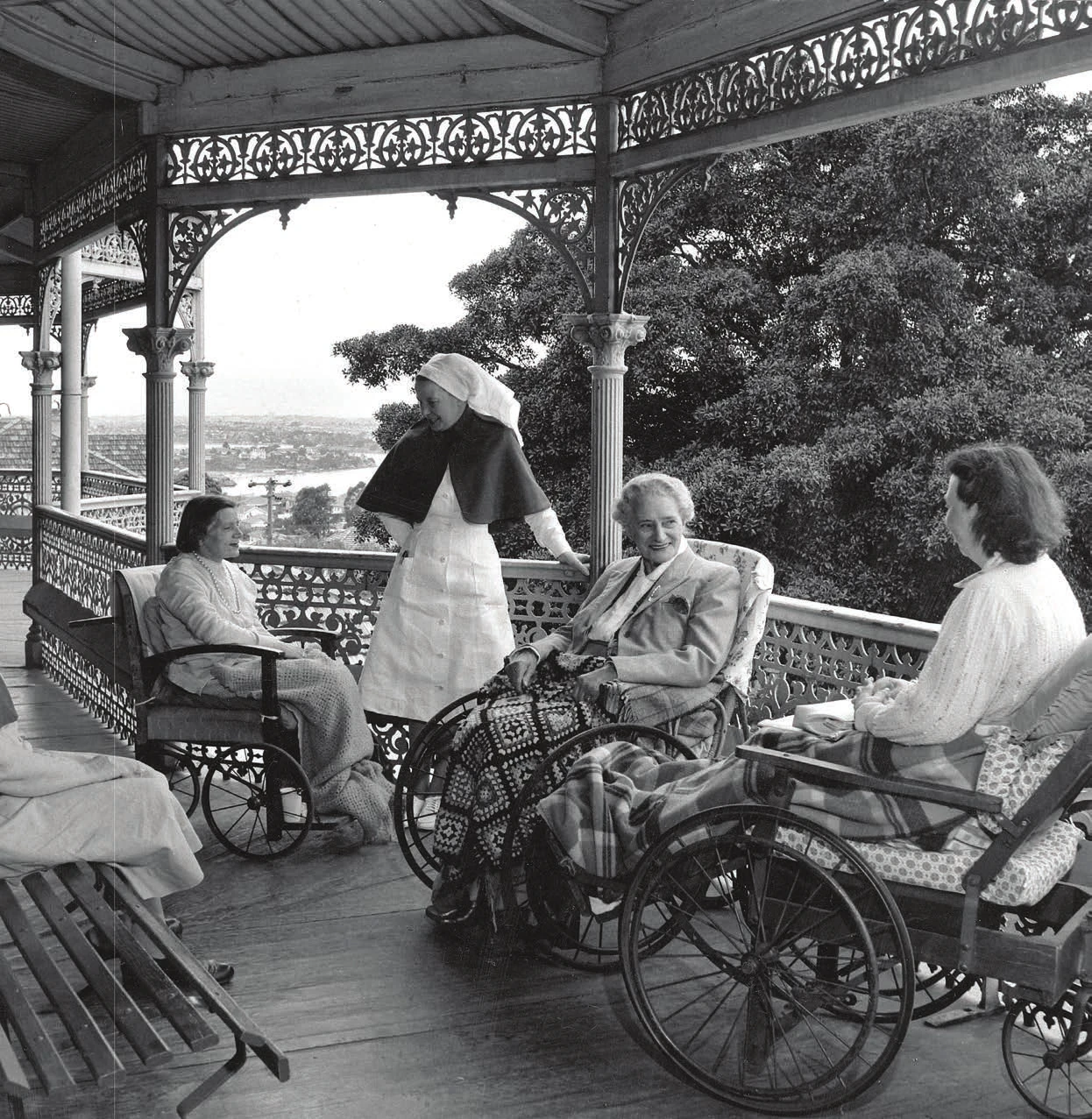
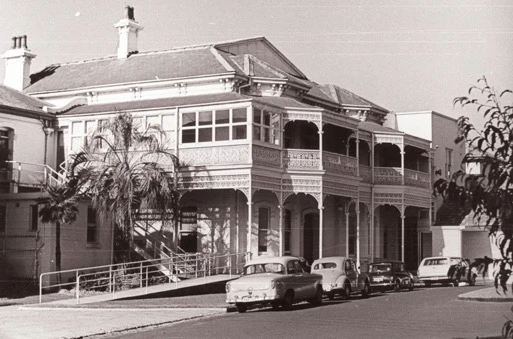
The New South Wales Home for Incurables officially opened at Weemala on 10 April 1907 with 65 beds. The establishment of a home for incurables was opposed by many who viewed the people to be undesirables.
1920
Dr Nigel Boulton joins
Dr Nigel Boulton joined Weemala and gave almost 50 years of service as Honorary Medical Officer and Chairman of the Honorary Medical Board.
1921
A new need, cancer care
Susan Schardt recognised another need in the community; this time for the care of terminally ill cancer patients. An appeal was launched by Sir Walter Davidson.
1927
Moorong opens
Moorong opened on 26 June as a purpose-built home for the care and treatment of people with cancer. The bungalow style building had 24 beds and was set amongst palms and clusters of ferns and grass flowers.
1929
The wireless arrives
Arrival of wireless had been keenly anticipated. Headphones were installed alongside each bed with a choice of two stations bringing those inside in touch with the world.
1934
The Depression years
Donations fell away to an alarming extent during the Great Depression. With no contribution from government and a reduction in invalid and old age pension payments, the future was uncertain.
1939
Susan’s final fundraising tour
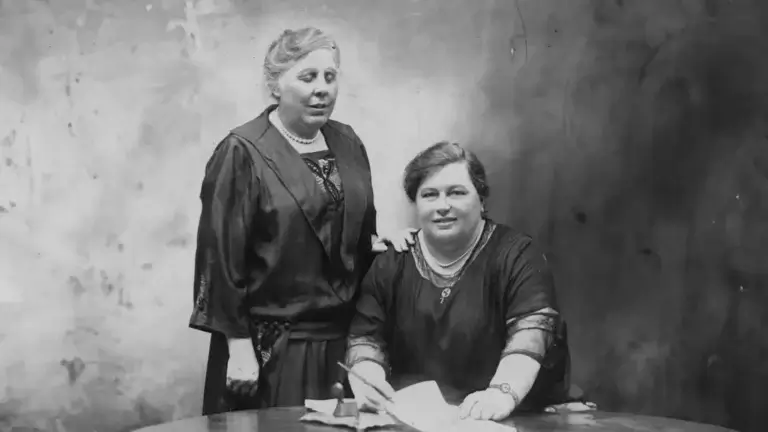
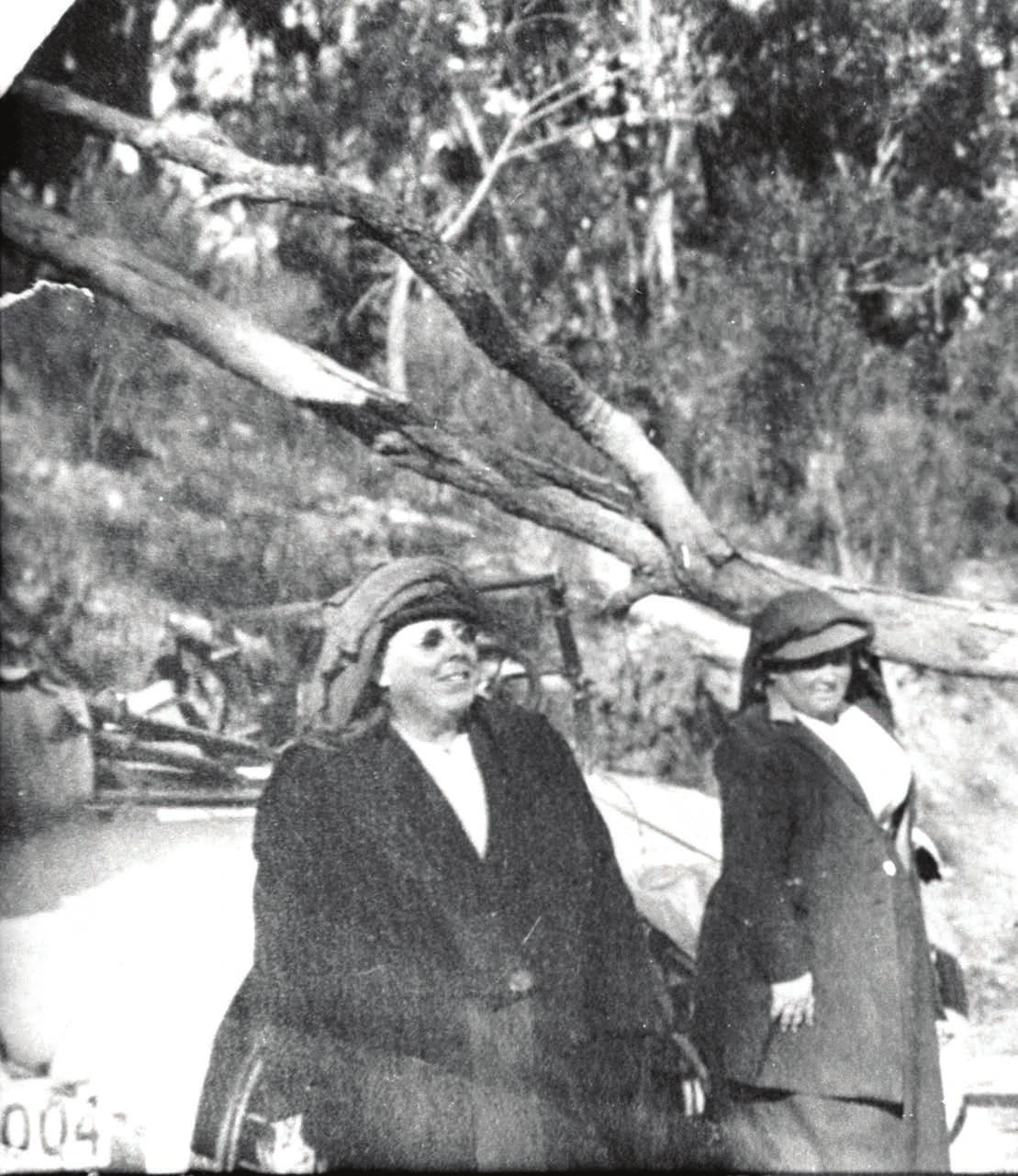
In a final act of selfless devotion, Susan and her guide companion Beatrice Ricketts embarked on a tour of NSW, raising 35,000 pounds.
1939
War changes everything
On 3 September the world plunged into WWII. Women were actively recruited into jobs to support the war effort, placing a strain on the number of nurses and assistants.
1941
Matron Savell honoured
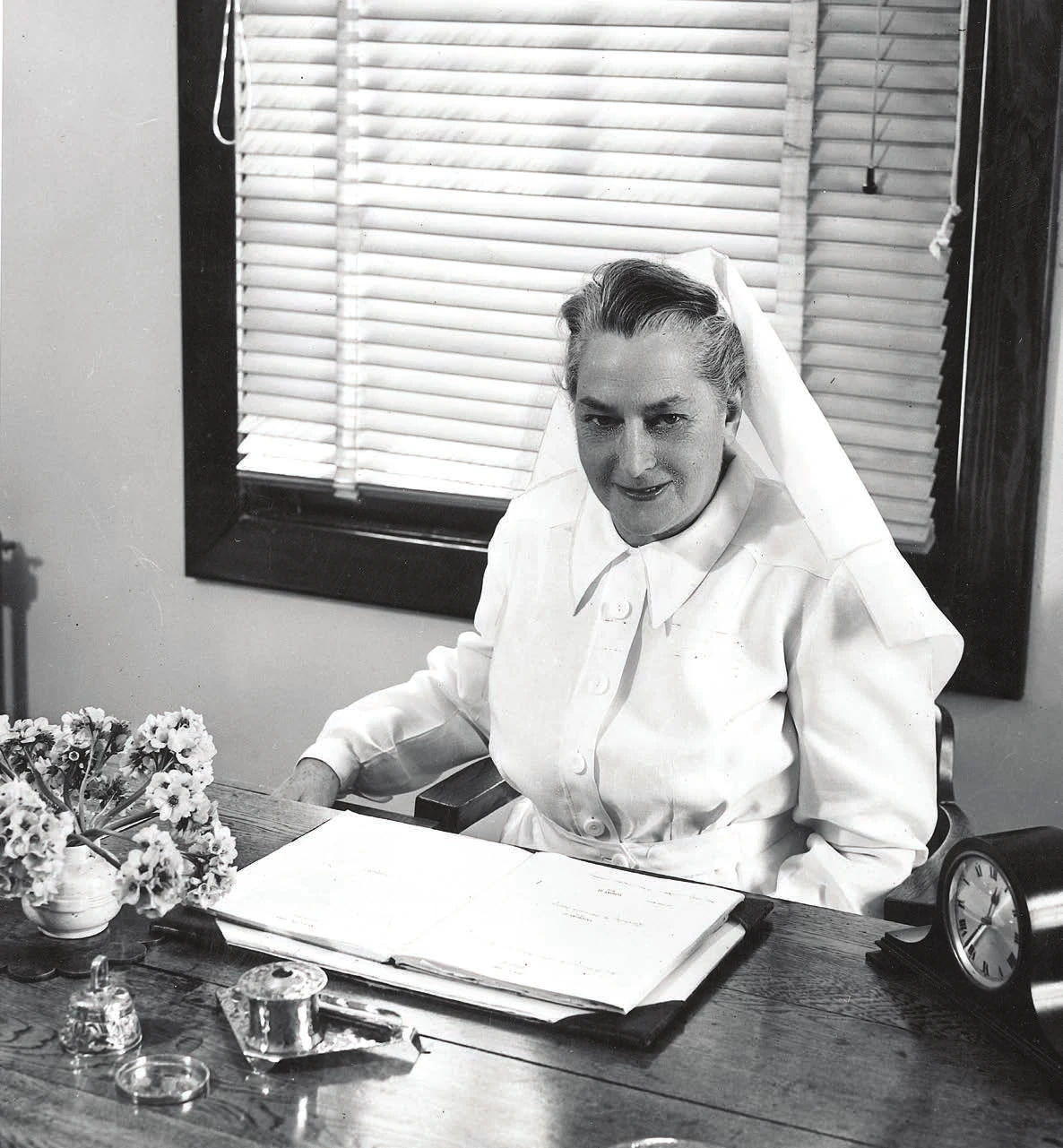
Matron Savell was appointed matron of Moorong in 1924 and then also to Weemala in 1932. In 1941 she was awarded an MBE for outstanding service.
1942
Farewell to our founder
After a lifetime of commitment and compassion, Susan died on 9 October at Weemala, the home she founded.
1946
Government steps in
The Federal Government became more involved in health matters after the Second World War. Under the Hospital Benefits Act 1946 the Federal Government agreed to subsidise public hospital beds on the condition there was no charge for patients in public wards.
1954
Royal Ryde Homes
With changing times came growing community awareness. The name of New South Wales Home for Incurables was no longer appropriate and changed to Royal Ryde Homes on approval by Queen Elizabeth II.
1960
Coorabel opens
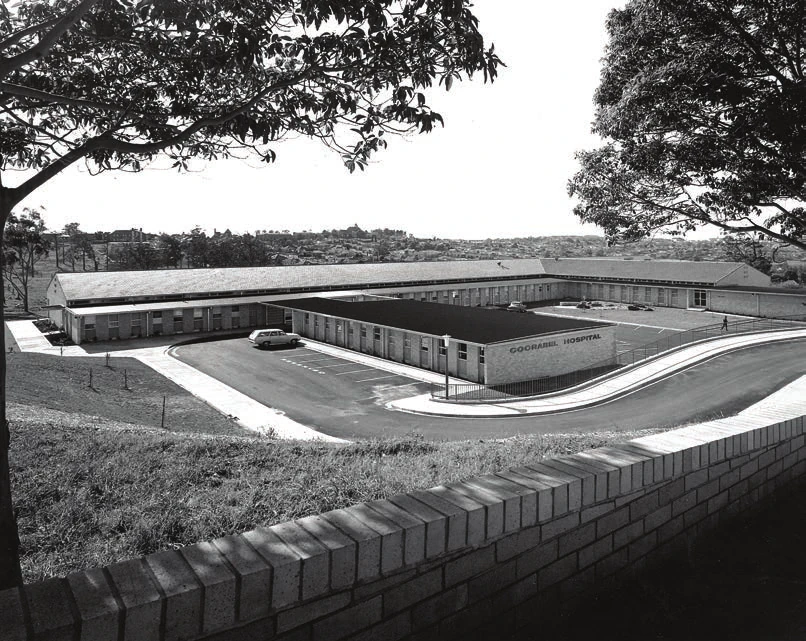
Coorabel was officially opened on 5 August to accommodate 114 non-acute people for rehabilitation, marking a more integrated hospital service to the community.
1967
Weemala rebuilt
Weemala was substantially demolished and remodelled to cater for a growing need for long term care. The residents were displeased with the transformation, which appeared more like a hospital than a place to call home.
1967
Royal Ryde Rehabilitation Hospital
Following the increased focus on rehabilitation and the return of injured and disabled people to the community and workforce, the name was changed to Royal Ryde Rehabilitation Hospital.
1967
The Dixson unit
The Community Healthcare Aged Care Rehabilitation Unit (Dixson) was established to assist people on an outpatient basis return to the community with the best possible quality of life.
1973
Coorabel extended
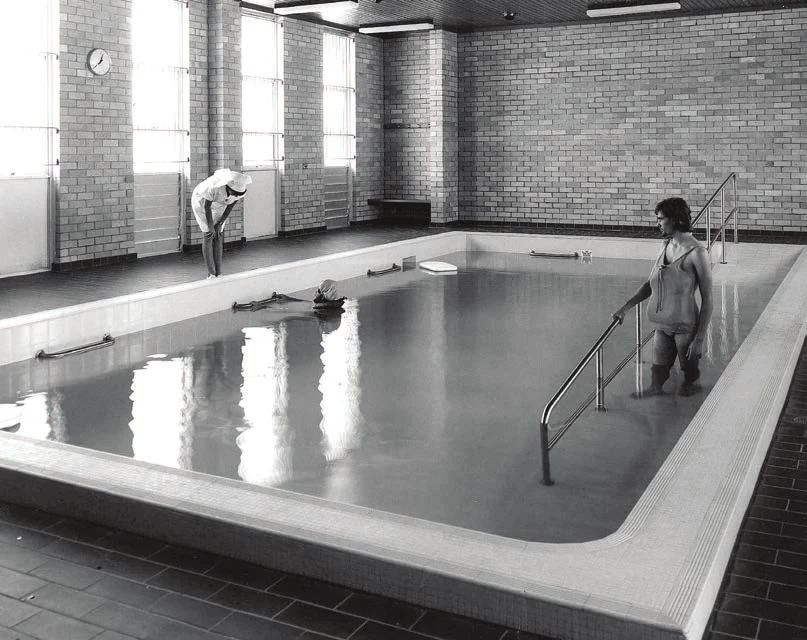
Coorabel was extended, signalling a growing need for private accommodation which was putting pressure on public accommodation. It featured a hydrotherapy pool to benefit all types of disability, physically less strenuous than other forms of treatment. Coorabel had nine private rooms with capacity for 18 beds.
1975
Medibank arrives
The national healthcare system, Medibank, was introduced in 1975. The Federal Government negotiated relatively generous hospital cost-sharing arrangements with the states, provided that patients were guaranteed universal and free access to public hospitals.
1978
Motorised wheelchairs
Motorised wheelchairs appeared for the first time at Weemala, giving people a renewed sense of independence.
1980
A hub for medical education
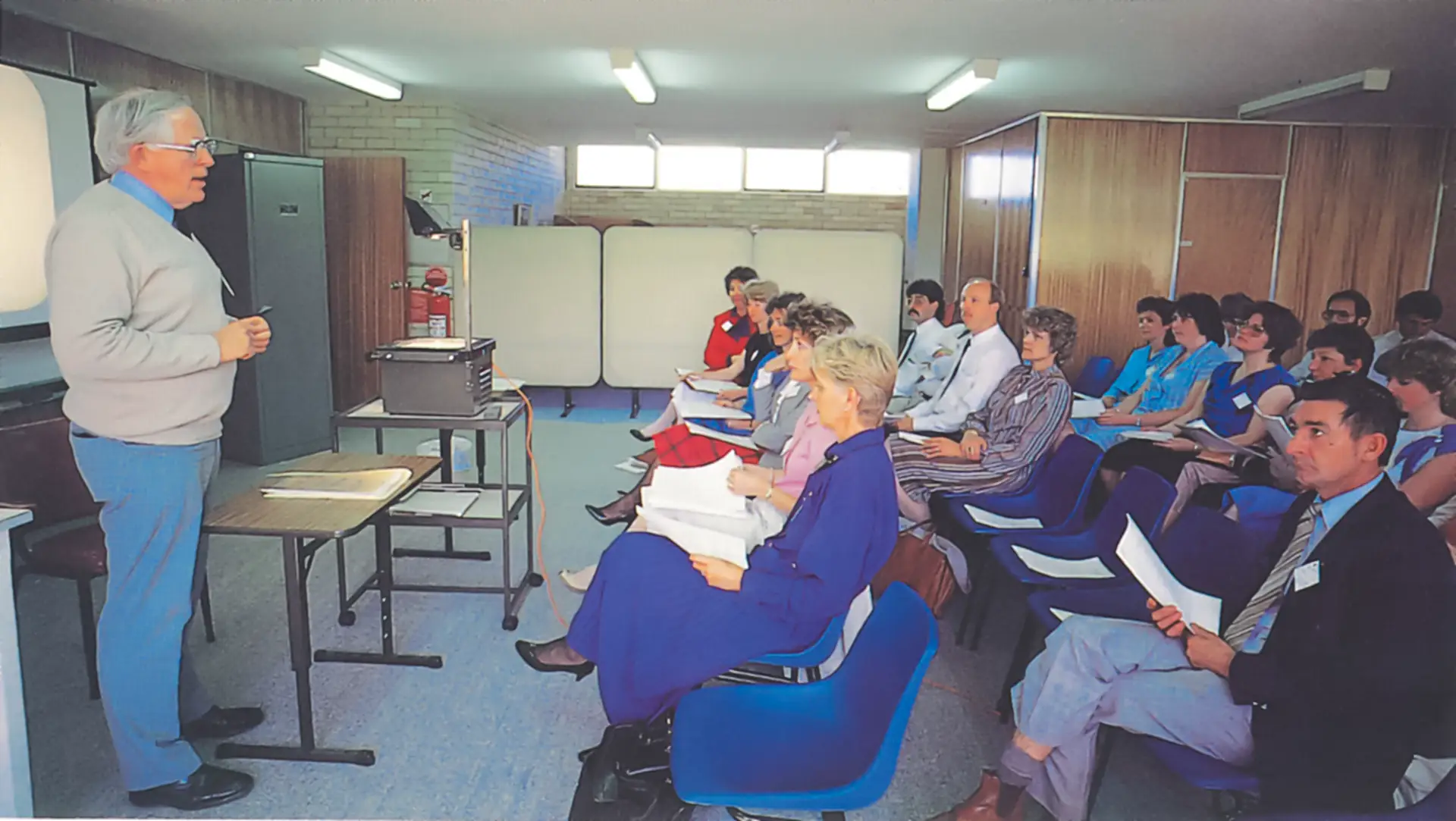
Dr Robert 'Bob' Oakeshott AM, a senior rehabilitation medicine specialist, successfully made Royal Ryde Rehabilitation Hospital a postgraduate medical education hub. His accomplishments include founding the Spinal Injury Rehabilitation Service, the NSW Brain Injury Rehabilitation Program, and the University of Sydney Chair in Rehabilitation Medicine.
1984
Medicare begins
The Federal Government reestablished a universal, tax-funded health insurance system, Medicare, providing people with subsidised access to the doctor of their choice for out-of-hospital care, free public hospital care, and subsidised pharmaceuticals, which continues today.
1987
The Spinal Injury Unit
The Spinal Injury Unit was established in Coorabel with ten beds for people with spinal cord injury to achieve a maximum level of independence and quality of life.
1988
A model of excellence
Building on the success of the Spinal Injury Unit, it was developed as a model of excellence in rehabilitation and expanded with additional beds in Moorong.
1989
The Pain Management Unit
The Pain Management Unit saw the introduction of an intensive behavioural change program to assist people in coping with ongoing pain where surgical or medical treatment was not appropriate.
1990
Royal Rehabilitation Centre Sydney
The name was changed to Royal Rehabilitation Centre Sydney to overcome longstanding confusion with other hospitals in the area.
1992
The Brain Injury Unit
The Brain Injury Unit was established for people with traumatically acquired brain injury to assist them to achieve an optimal level of physical, intellectual and emotional functioning.
1992
First Chair of Rehabilitation Medicine
Professor Dennis Smith was appointed the first Chair of Rehabilitation Medicine, Sydney University, in collaboration with the Rehabilitation Studies Unit to explore optimum methods of reducing the impact of disability on people, their families and society.
1993
The Community Integration Program
The Community Integration Program was introduced to Weemala. It was designed to develop the skills to maximise independence for people living in institutional settings and transition them into the wider community.
1994
Accredited for quality and safety
Australian Council on Healthcare Standards (ACHS) accreditation set the framework for improving the quality and safety of healthcare which is consistently achieved today.
1996
Coorabel Adult Rehabilitation Services
The Orthopaedic and Neurological units combined to form Coorabel Adult Rehabilitation Services (CARS), specialising in the rehabilitation of people of working age following injury or illness.
1996
Vale John Roarty AM
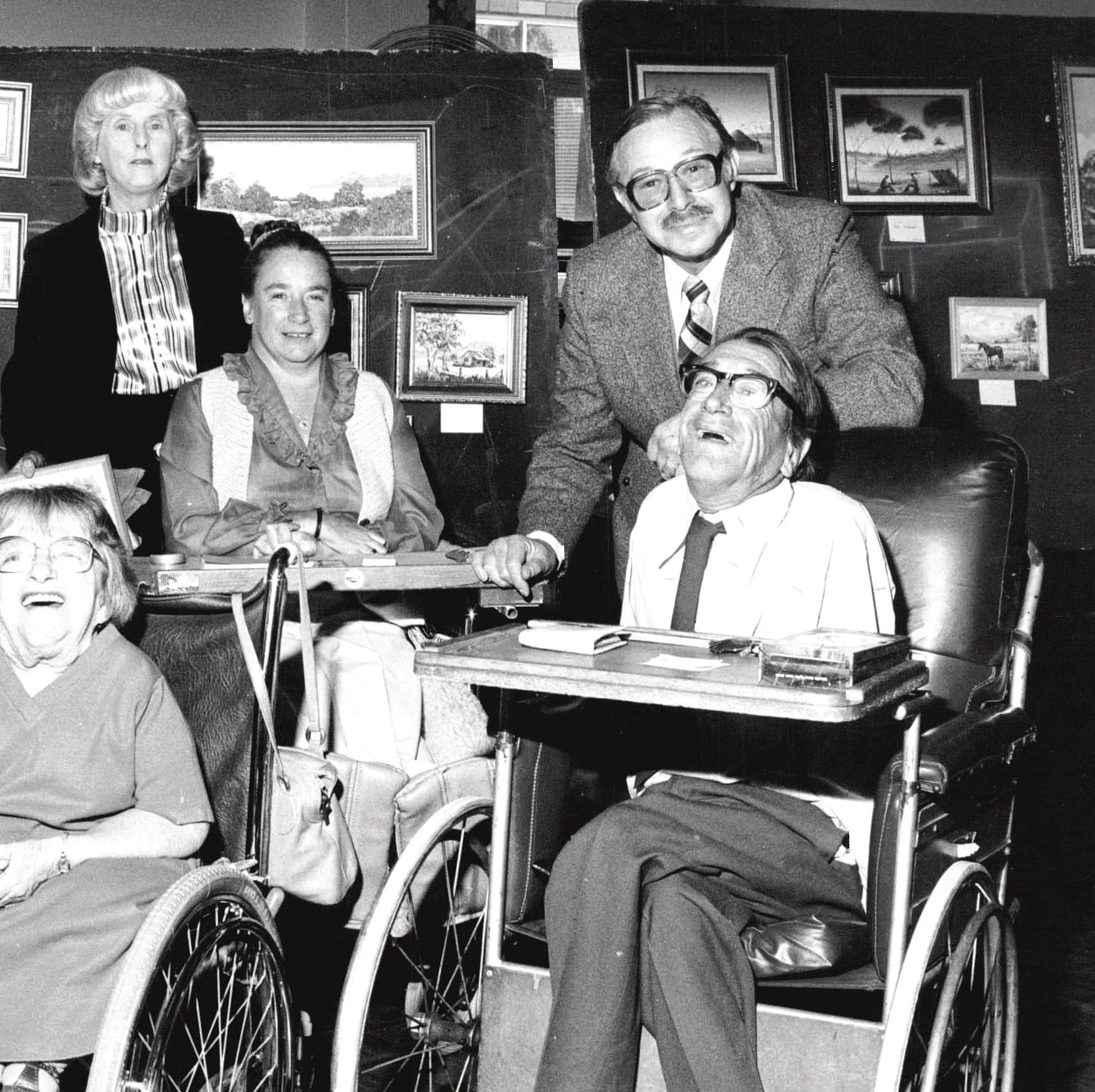
John Roarty AM, a long-term resident of Weemala, died aged 75. John had quadriplegia and arrived at Weemala aged 16 years. He was instrumental in the formation of the Residents' Committee to gain resident consultation and input into the management of long-term care. In 1987 John was awarded Member of the Order of Australia for his work in fighting for the rights of all disadvantaged people.
1997
Developmental disability research
Professor Trevor Parmenter AM was appointed director of the Centre for Development Disabilities Studies. The centre provided information, advice and technical assistance to people with developmental disabilities. He was appointed Member of the Order of Australia in 2005 for contributions to the field of developmental disability.
1999
A first in rehabilitation nursing research
The Rehabilitation Nursing and Development Unit, the only rehabilitation nursing research unit in Australia, was established as a collaborative venture with the University of Western Sydney Nepean. The first chair, Professor Sarah Mott, provided leadership in nursing research and the development of evidence-based nursing practice.
2000
The first Wall of Fame
In recognition of the inspiring rehabilitation journeys of our Brain Injury Unit clients, Royal Rehab held the first Wall of Fame event. This moving and uplifting ceremony has since been held annually.
2003
The Spinal Outreach Service
The Spinal Outreach Service was established as a network of state-wide spinal injury services together with Royal North Shore Hospital and Prince of Wales Hospital, operating as a single service across separate campuses.
2006
Growing demand
Demand for services grew as a result of medical breakthroughs, longer life expectancies and increasing accident and survival rates. It became increasingly clear that the buildings were no longer adequate for the operations and the needs of the people they served.
2006
Planning the redevelopment
Many years of planning and rigorous community debate began around redevelopment of the facility. Terry Gibson, a member of the Development and Planning Committee, was instrumental in the vision of Lardelli Park, a 2.4 hectare green space for the benefit of local communities.
2008
The Royal Rehab Foundation
The Royal Rehab Foundation was established to provide ongoing funding for research and a range of services and equipment for people undergoing rehabilitation.
2008
A registered training college
During this period, the Royal Rehabilitation College, a Registered Training Organisation, was established to train people in the priority area of allied health assistance.
2011
Approval to rebuild
NSW Planning approved the rezoning of a portion of land for residential development, and the approval of the overall concept plan for the redevelopment of the entire site. Contemporary, functional and purpose-built for the needs of people with disabilities, particularly wheelchair users, the design set a new standard of excellence.
2013
A new Weemala
Weemala began a new chapter on 9 November as a purpose-built, 32-unit complex celebrating 105 years of continuous long-term care.
2013
The NDIS begins
The Federal Government initiates the National Disability Insurance Scheme (NDIS), providing people with disability information and access to services in their communities.
2014
Royal Rehab Private Hospital opens
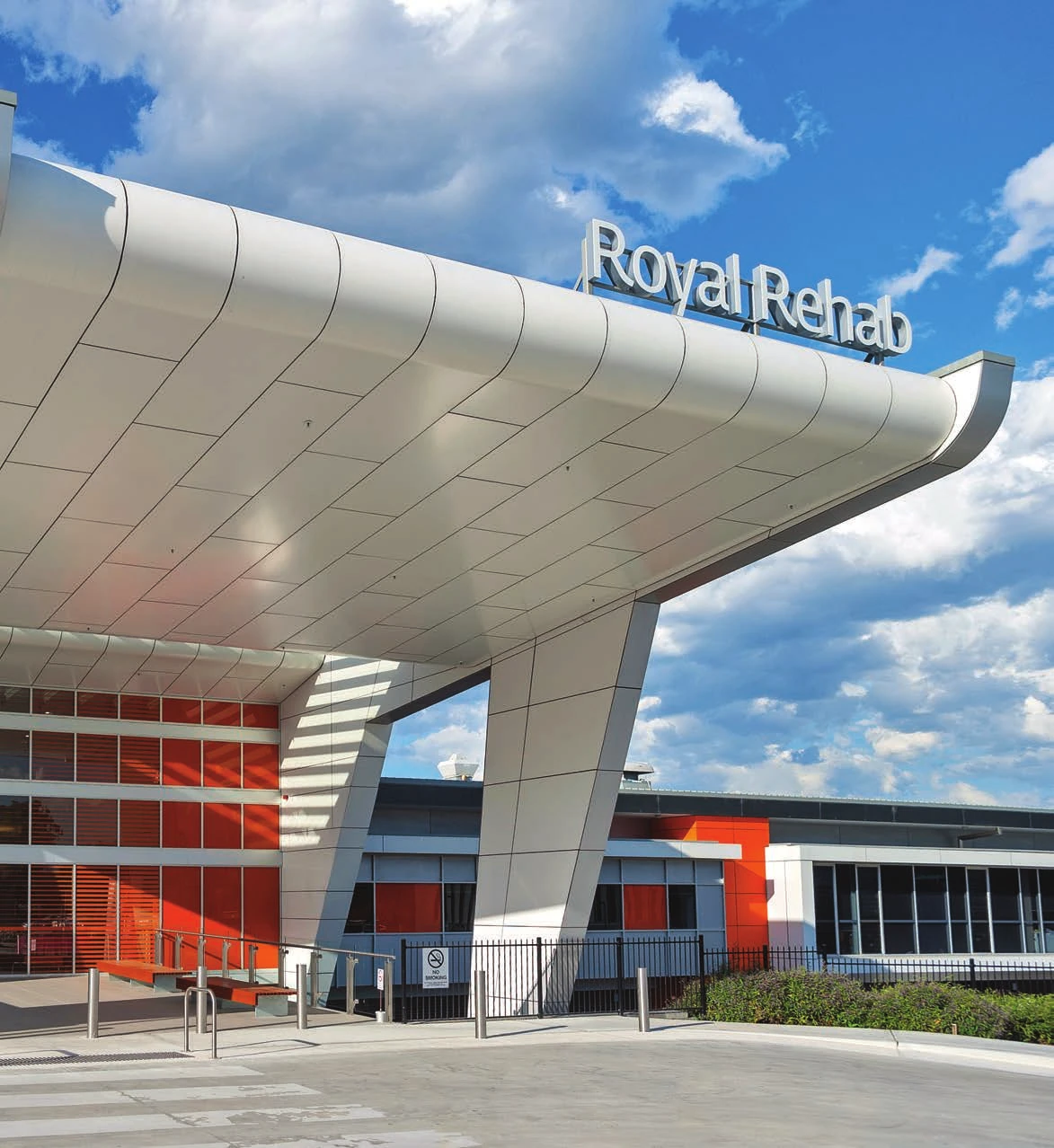
Royal Rehab Private Hospital opened on 29 November to continue inpatient and day patient intensive rehabilitation programs for people recovering from surgery, trauma or illness.
2014
New Brain and Spinal Injury units
19 February marked the beginning of brand new facilities with the opening of the comprehensively equipped and technologically advanced 16-bed Brain Injury Unit and 20-bed Spinal Injury Unit.
2015
Becoming Royal Rehab
The name was changed to Royal Rehab to better reflect the widening continuum of health and disability services it now provides.
2015
Supported living in Putney
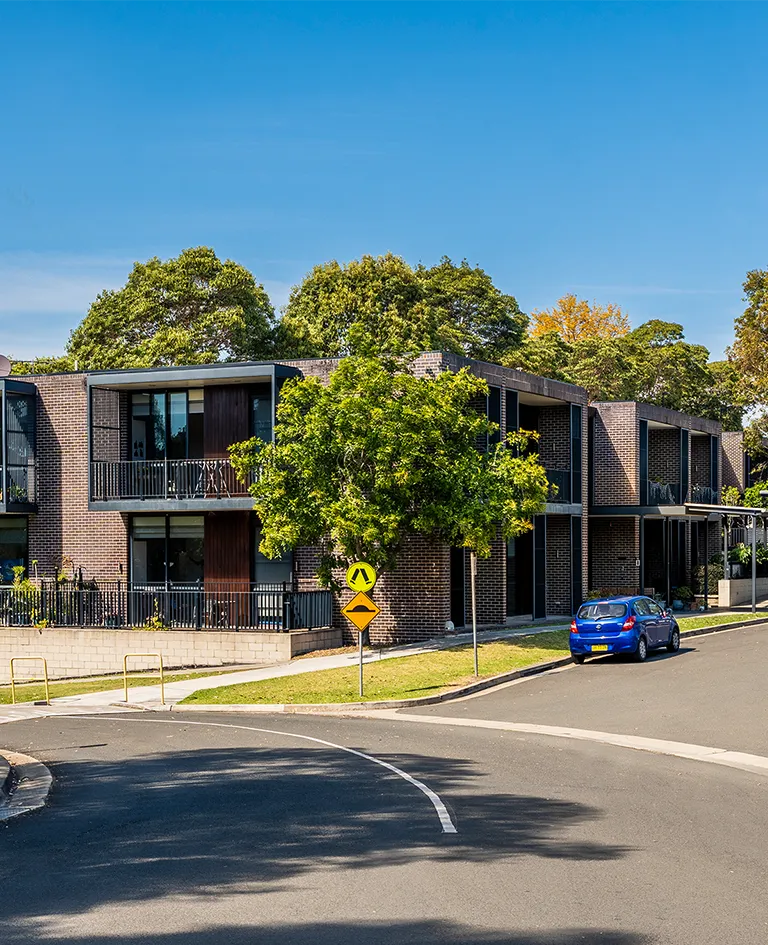
Royal Rehab expanded its supported accommodation services for people with disabilities with the construction of purpose-built homes in Putney. Across Sydney, dedicated staff provide 24/7 and drop-in support for everyday needs and facilitate community participation, empowering people to live as independently as possible.
2016
In-Voc vocational rehabilitation
In-Voc, a specialist vocational rehabilitation service, was established as a program designed to assist people with a newly acquired spinal cord injury to explore work, study and volunteering.
2017
Sargood on Collaroy
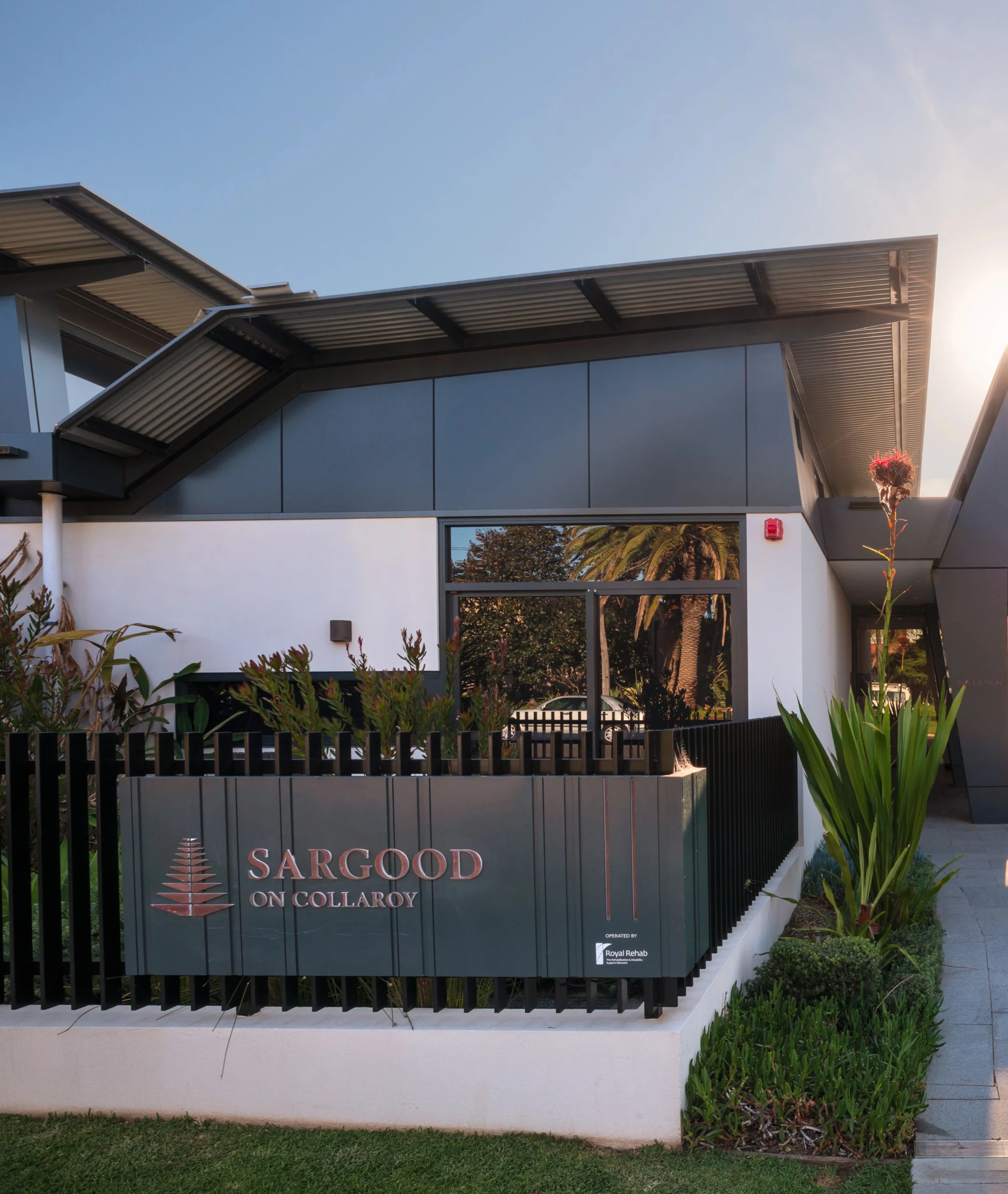
Royal Rehab was appointed to manage Sargood on Collaroy, the world-first purpose-built resort for people with spinal cord injuries.
2018
A centre for teaching and research
Ducati Owners Club of NSW Education and Research Hub opened as a centre of teaching and research excellence designed to drive the advancement in rehabilitation and disability services.
2019
MetroRehab joins the group
In 2019 Royal Rehab acquired MetroRehab in a move to expand its rehabilitation presence and offer rehabilitation services in the Inner West.
2021
Breakthru joins the group
Royal Rehab acquired Breakthru disability services, expanding opportunities and holistic supports for people with disabilities in NSW, QLD, and VIC.
2022
Australia’s largest Advanced Technology Centre opens in Ryde
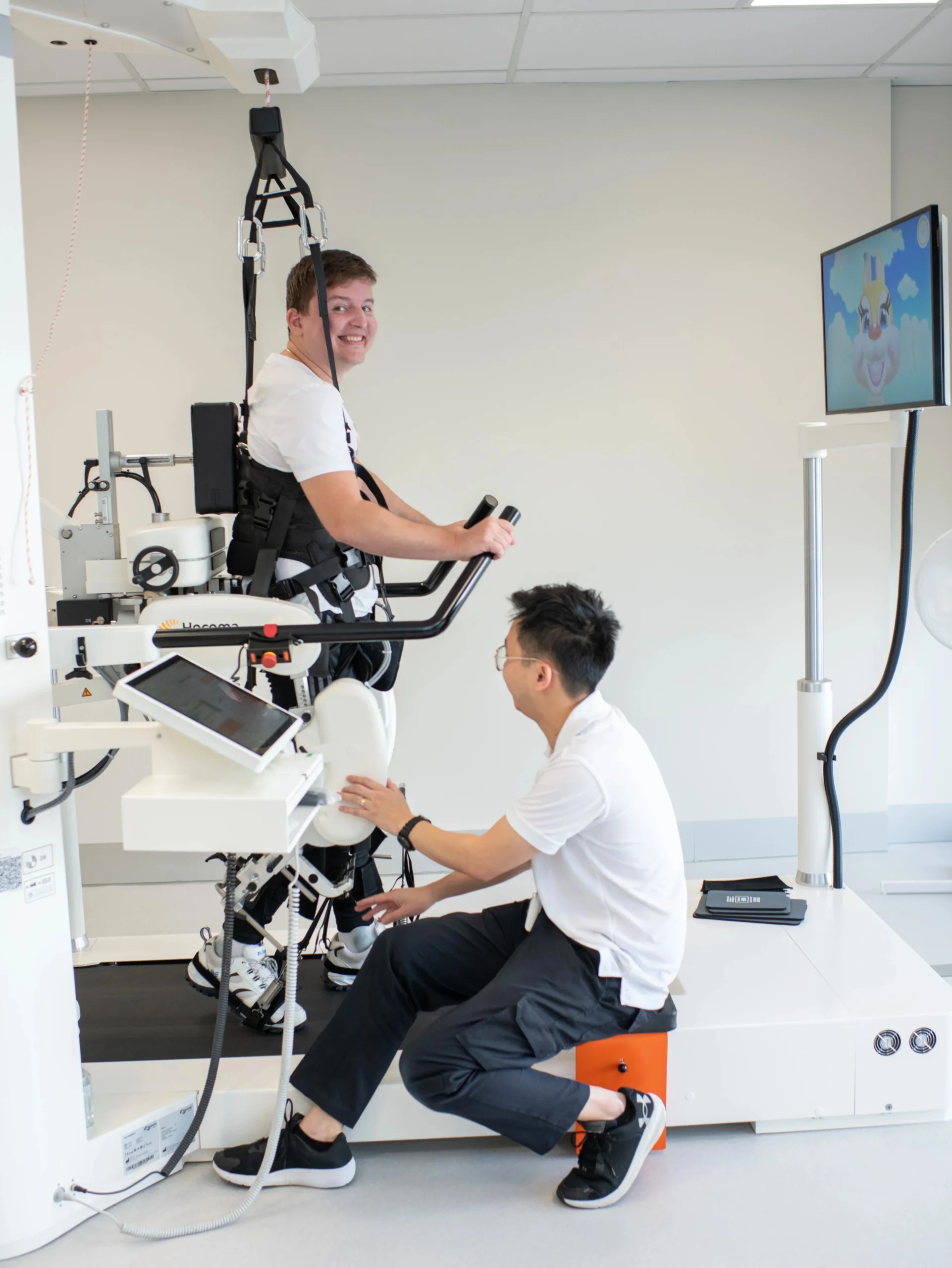
Royal Rehab launched Australia's largest Advanced Technology Centre at the Ryde campus. The centre houses world leading advanced technology devices, many of which have not been seen before in Australia.
2022
Royal Rehab opens new community centre in Rydalmere
A new community centre was opened in Rydalmere, providing Royal Rehab and Breakthru clients with complementary services for the first time.
2022
Royal Rehab LifeWorks Community Allied Health Hubs open
Royal Rehab expands its allied health services with the opening of new Community Allied Health Hubs across NSW and QLD.
2023
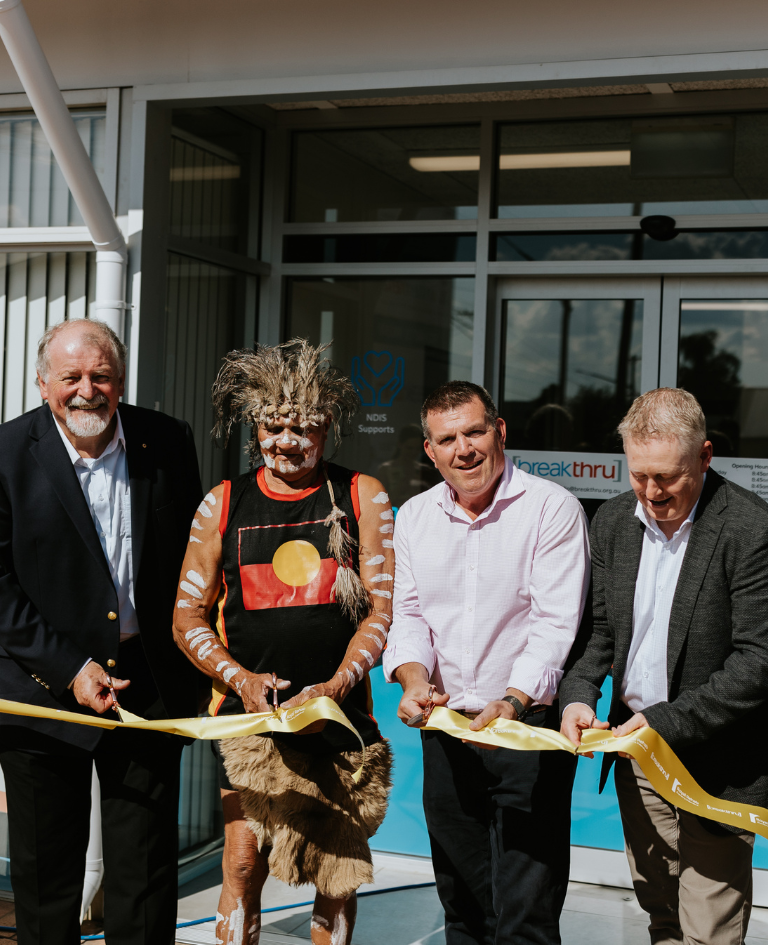
Breakthru Dubbo undergoes transformation
Breakthru's Dubbo Hub, a key service centre for the Western NSW region, undergoes significant renovations and relaunches in the Dubbo community.
2023
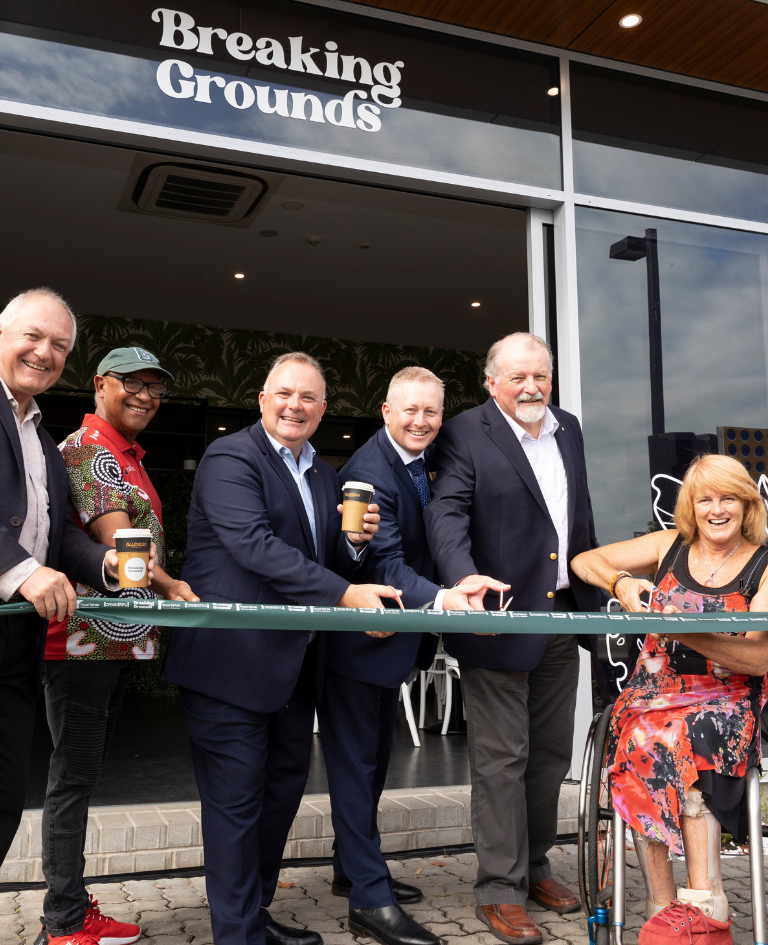
Breaking Grounds cafe officially opens on the Central Coast
'Breaking Grounds', the first-ever fully inclusive and accessible cafe, was launched on the Central Coast. The cafe also provides employment and training opportunities for people with disabilities.
2023
Royal Rehab LifeWorks officially opens in Cairns
Royal Rehab LifeWorks was officially introduced in Cairns, with the unveiling of a dedicated allied health hub.
2024
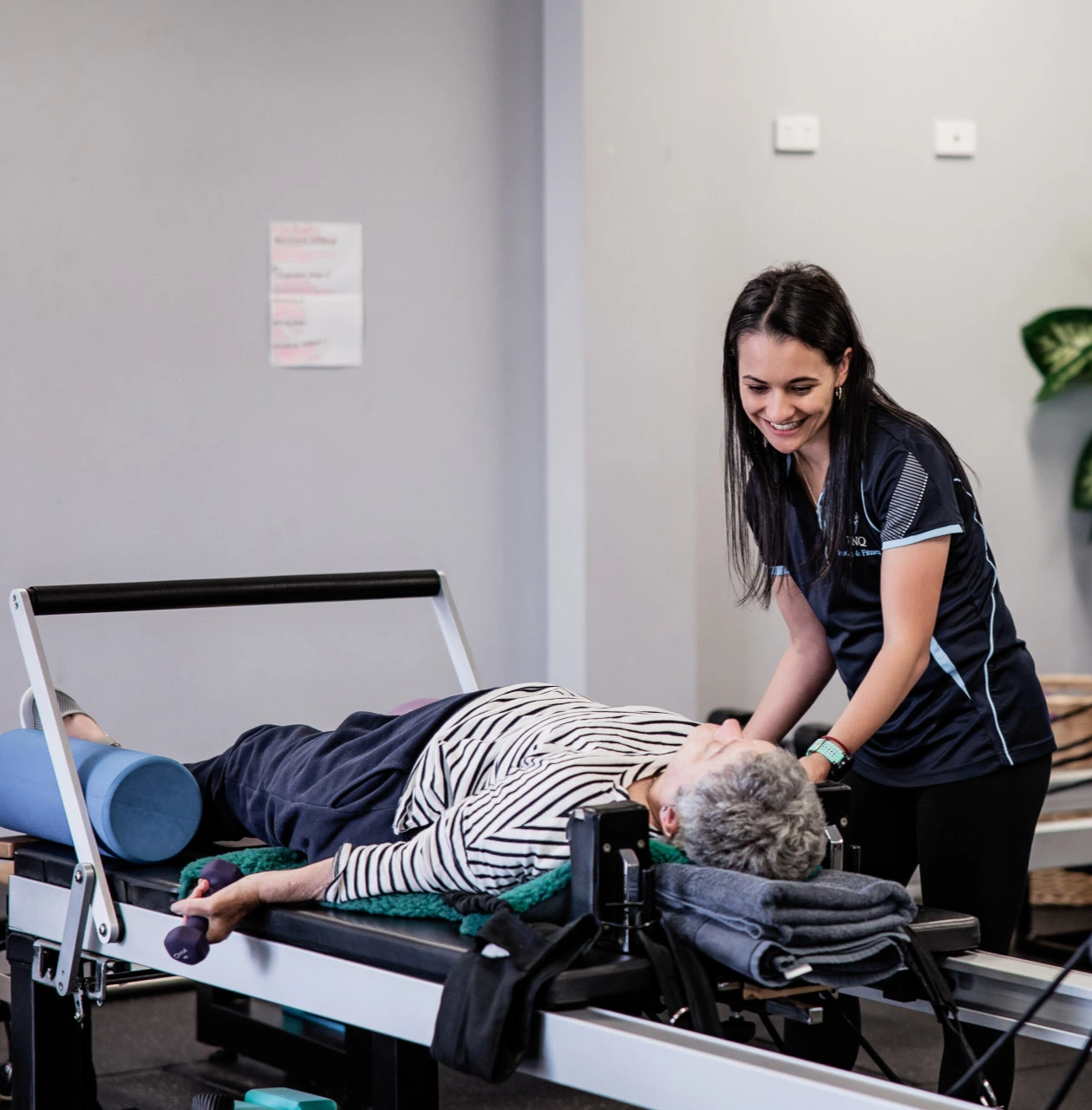
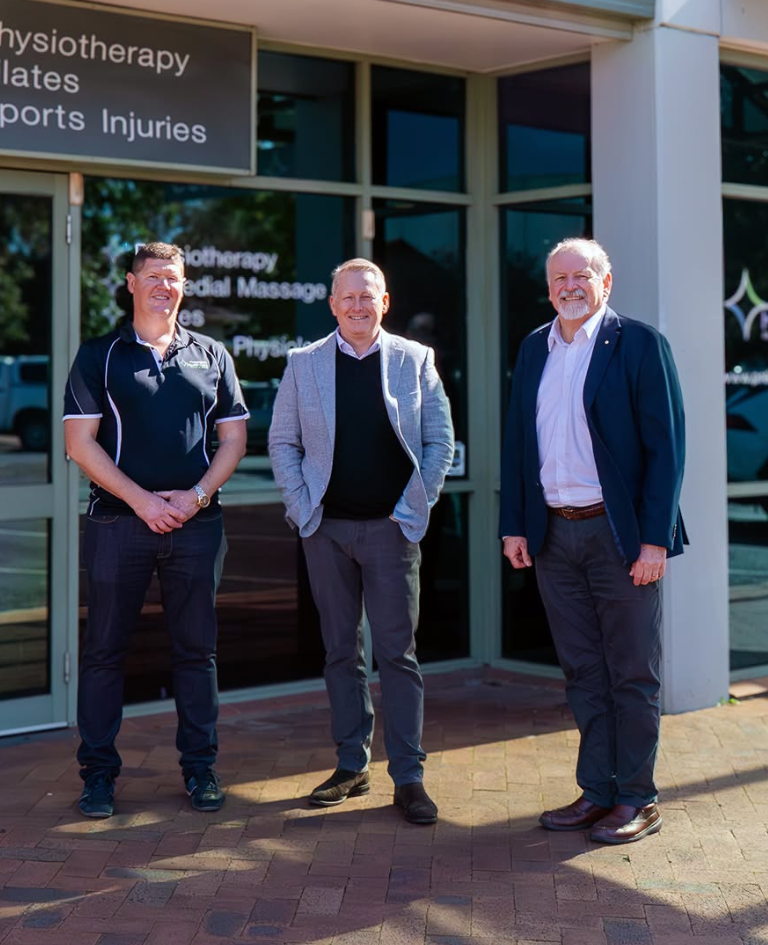
Royal Rehab merges with FNQ Health and Fitness
Royal Rehab Group expands through merge with FNQ Health and Fitness in Atherton
2024
Royal Rehab merges with Precision Health Care
Precision Health Care in Dubbo joins Royal Rehab Group
2024
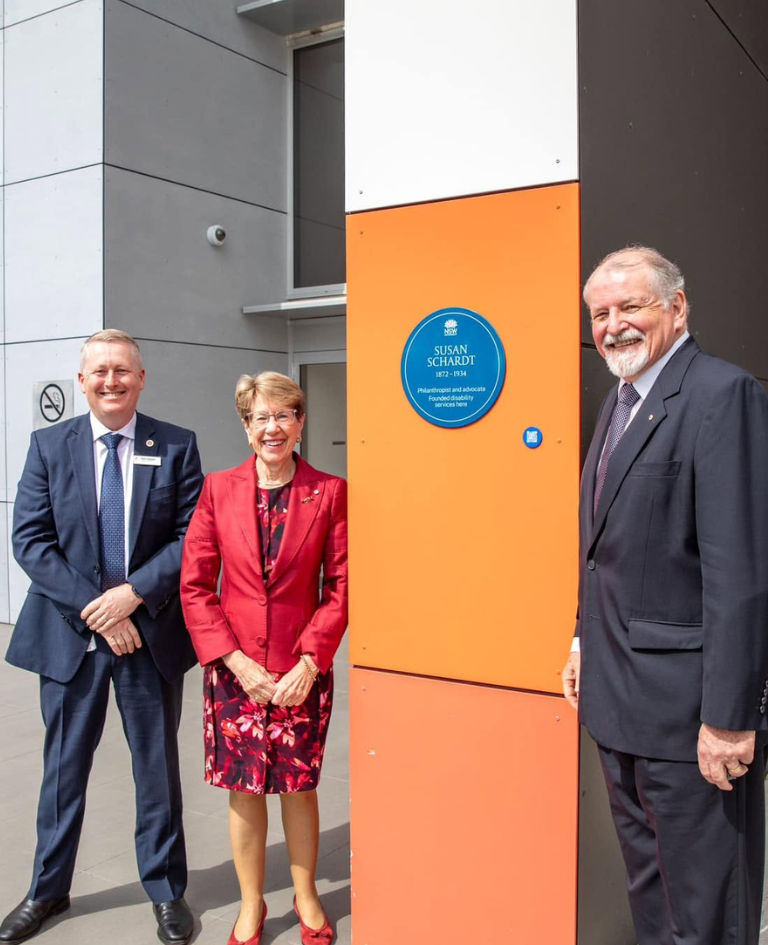
Royal Rehab Unveils Blue Plaque
Royal Rehab proudly receives a Blue Plaque dedicated to our founder, Susan Schardt, in recognition of her lasting impact.
2025
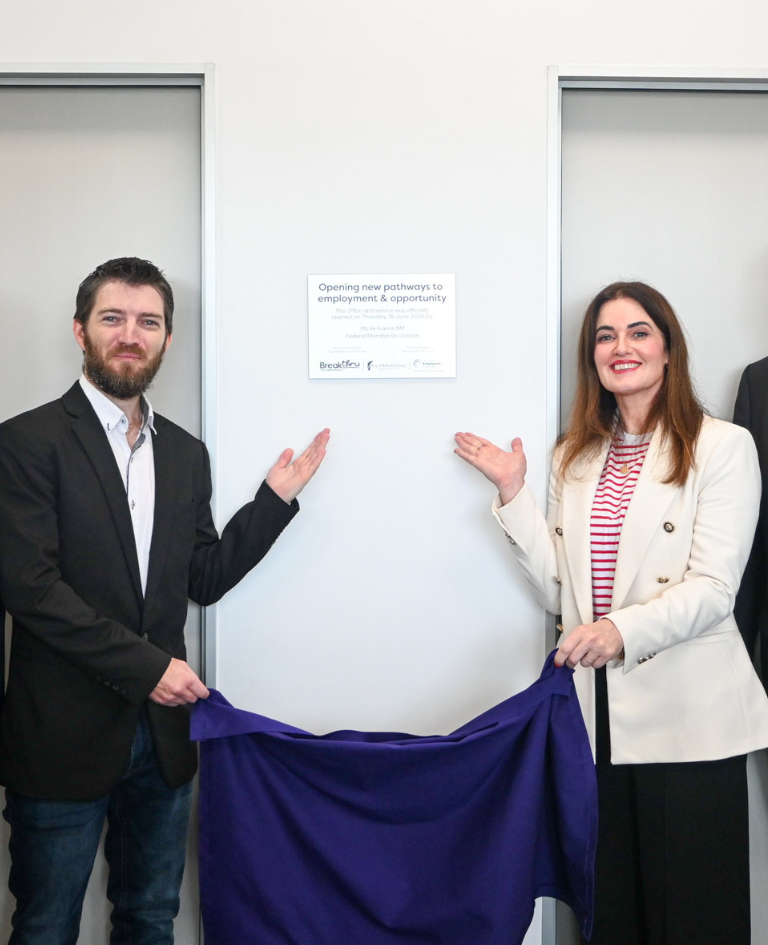
Royal Rehab wins Inclusive Employment Australia (IEA) tender
Breakthru, part of Royal Rehab Group, is selected by the Department of Social Services to deliver services under the new Inclusive Employment Australia (IEA) program across 30 locations.
2025
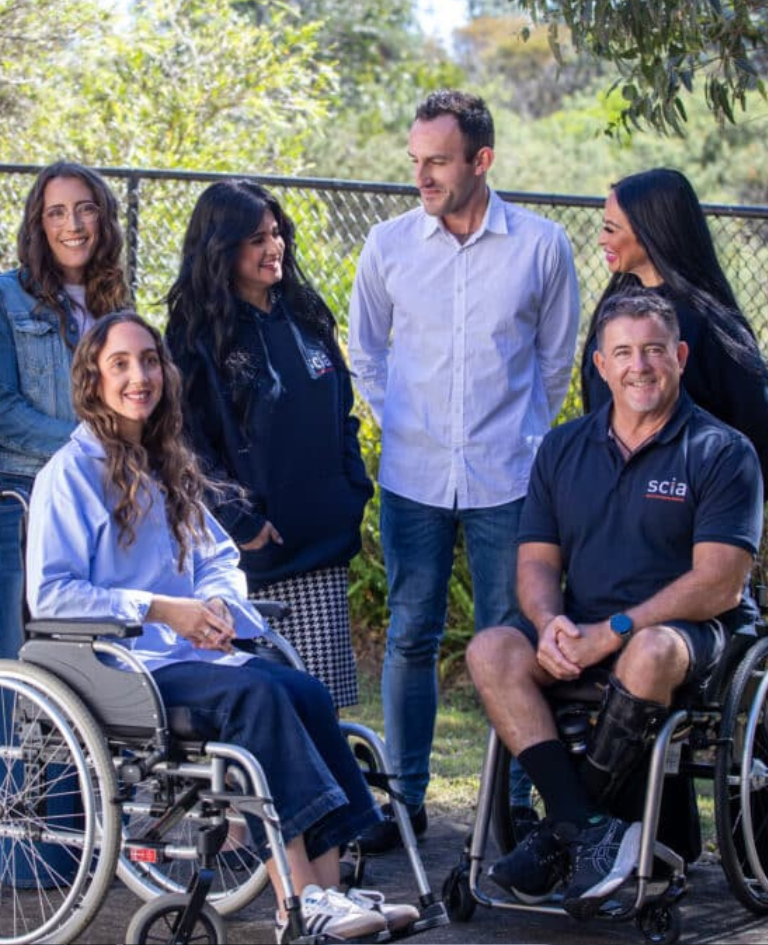
Royal Rehab announces merge with SCIA
Royal Rehab Group strengthens its services through merge with Spinal Cord Injuries Australia (SCIA)

Our patrons

Supporting our purpose
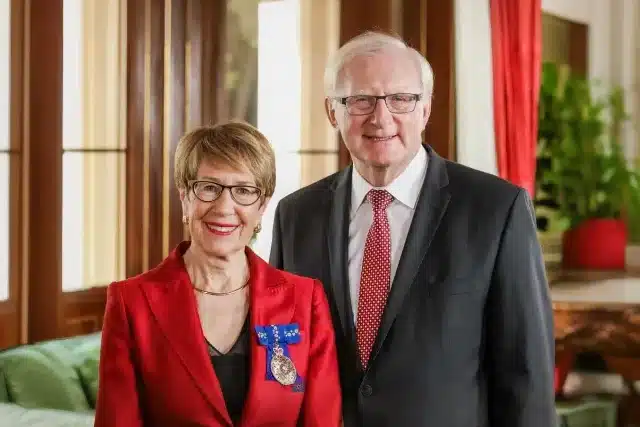
We are honoured to have Her Excellency The Honourable Margaret Beazley AC KC, Governor of New South Wales, and Mr Dennis Wilson, a solicitor, mediator, accredited international arbitrator and Adjunct Professor of Law, aserving as Patrons of Royal Rehab.

Their support and advocacy help strengthen our organisation and reflect a shared commitment to improving the lives of people with disability, illness and injury.
Our locations

State